

Knowledge
What is PGR weed and how do you spot it?
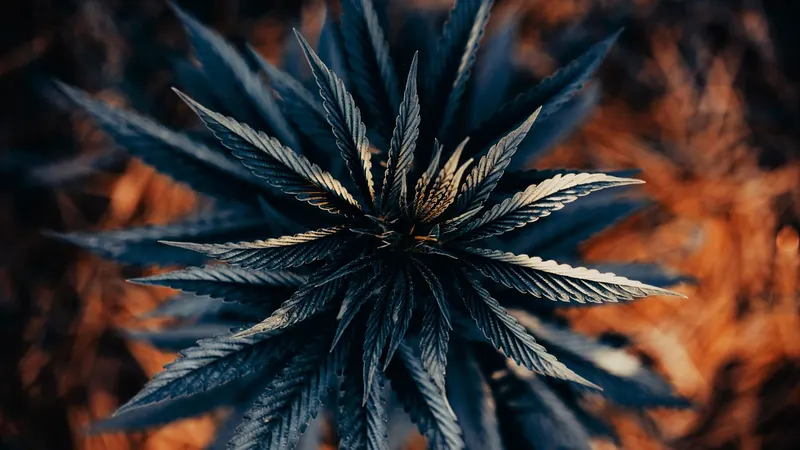
Cannabis is known for its remarkable diversity. Different strains display a wide range of colours, structures and aromas. Amid this diversity, however, there is a particular kind of cannabis that has attracted growing attention in recent years: PGR weed. This is cannabis that has been treated with synthetic plant growth regulators (PGRs). These chemicals are used to alter the growth of the plants in an unnatural way, which can result in an unhealthy and often dangerous end product. But what exactly is PGR weed, and how can you tell it apart from natural cannabis?
What is PGR weed?
PGR stands for “plant growth regulators”. These chemical substances affect plant growth by interfering with natural processes. In cannabis cultivation, PGRs are often used to increase bud density and boost yields. The result is extremely dense, compact buds that may look impressive at first glance. But appearances are deceptive. PGR weed is generally of lower quality, contains fewer valuable constituents such as cannabinoids and terpenes, and can be potentially harmful to health.
Why are PGRs used in cannabis cultivation?
PGRs are used mainly for economic reasons. Cannabis growers operating on the black market use these chemicals to maximise their plants’ yields and increase their profits. Plants treated with them produce larger, heavier buds. Because the growing cycle can be shortened and harvest yields increased, PGRs are tempting for some growers. However, the associated loss of quality and the potential health risks make this practice highly problematic.
What are plant growth regulators?
Plant growth regulators are chemical compounds that influence the growth and development of plants at a molecular level. They regulate various biological processes, such as cell division, root growth and flower formation. While natural plant hormones, also known as phytohormones, occur in all plants, PGRs are synthetically produced substances developed specifically to control plant growth.
Natural plant hormones
Natural plant hormones are essential for the growth and development of plants. They control important processes such as root formation, stem growth and flower formation. One example is the hormone indole-3-acetic acid, which stimulates root growth in small amounts but can inhibit it at higher concentrations.
Synthetic plant growth regulators
Synthetic PGRs have been used in agriculture and horticulture for decades. They are used in a variety of areas, for example to make flowers bloom more colourfully or to promote the growth of turf on sports pitches. In many countries, including the USA and Europe, the use of PGRs in food production is strictly regulated, as some of these substances can be harmful to health.
The main PGRs used in cannabis cultivation
Various PGRs are used in cannabis cultivation, each affecting plant growth in a different way. The best known include:
- Daminozide (Alar): Daminozide slows plant growth and allows the plant to put more energy into bud development. However, it also inhibits cannabinoid production. Because of health risks, the use of daminozide in food production was banned in the USA in 1989.
- Paclobutrazol (PBZ): Paclobutrazol produces more compact plants with shorter internodes and stronger roots. It promotes early flowering and increases seed production. However, it also reduces bud quality, as it lowers the concentration of terpenes and trichomes, which are responsible for the aroma and potency of cannabis.
- Chlormequat chloride: Chlormequat chloride accelerates flower formation and produces denser bud clusters. Although it can be useful in agriculture, excessive use can leave residues that are harmful to health.
How do you spot PGR weed?
Identifying PGR weed can be a challenge even for experienced cannabis users. There are, however, some characteristic features that may indicate the use of PGRs:
- High density: PGR weed is significantly denser than naturally grown cannabis. The buds are extremely compact and often feel heavier than expected. While some indica strains naturally form dense buds, the buds of PGR weed are unusually solid.
- Tough texture: Cannabis treated with PGRs has a tough, almost rock-like surface. The buds often feel spongy or mushy, which points to an unnatural pattern of growth.
- Lack of smell: Another clear sign of PGR weed is a missing or faint smell. Because PGRs reduce the production of terpenes, the aromatic compounds in cannabis, PGR weed often smells less intense and may even have a chemical odour.
- Excessive pistils: PGR weed is often covered in an unnaturally large number of orange pistils. These hair-like structures are a natural part of the plant, but on PGR weed they are often excessively bright and present in unusually large numbers.
- Rounded appearance: PGR weed often looks almost spherical, as the buds have hardly any protrusions or branching. This unnatural appearance can be a further indication that PGRs have been used.
Differences between PGR weed and natural cannabis
The use of PGRs means that the end product not only contains fewer beneficial substances but may also carry residues that are harmful to health. Naturally grown cannabis, by contrast, offers higher concentrations of cannabinoids, terpenes and flavonoids. Reputable growers rely on organic cultivation methods and avoid PGRs in order to ensure the quality of their harvests.
Why should you avoid PGR weed?
Consuming PGR weed can involve considerable health risks. Residues of the chemicals used can remain in the buds and enter the body when smoked or vaporised. These substances are suspected of being carcinogenic and of causing other damage to health.
It is therefore important for cannabis users to find out about the origin and cultivation methods of the cannabis they use. By keeping in mind the identifying features described in this article, you can more easily recognise and avoid PGR weed.
Conclusion: be mindful when consuming cannabis
PGR weed may look appealing at first glance, but the associated risks outweigh the supposed benefits. Health-conscious consumers are well advised to choose naturally grown cannabis and avoid PGR weed. When buying cannabis, look out for the features described above and choose products grown under controlled, organic conditions. That way, you can be sure you are enjoying a high-quality, safe product.