

Knowledge
The history of cannabis: origin, use and prohibition
1. Introduction to cannabis
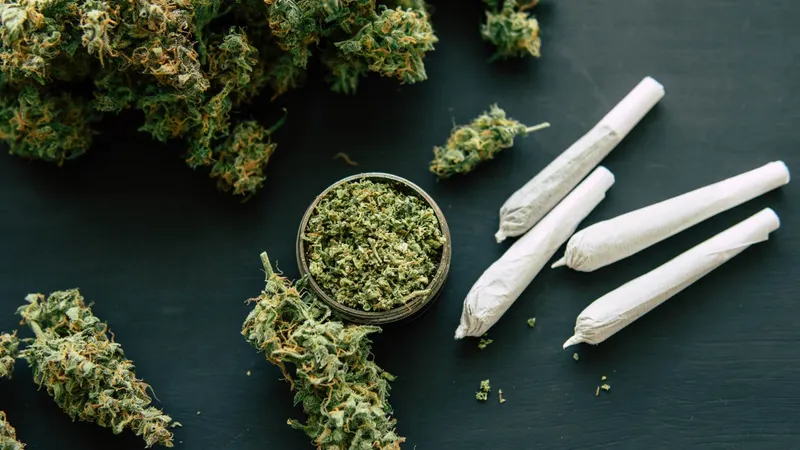
Cannabis is one of the oldest crops in human history and has a fascinating and complex past. Its story spans thousands of years and has influenced many different cultures and civilisations. It has been used for a wide range of purposes, from medicinal and spiritual applications to industrial and recreational use. Yet despite its many uses and its importance to many societies, cannabis was criminalised and banned in the 20th century, which has left a deep mark on its history.
In this article we trace the history of cannabis from its origins to the present day. We look at how cannabis was used in different cultures, why it was criminalised and how attitudes towards the plant have changed in the modern world.
2. The origins of cannabis
2.1 Geographical origin
Cannabis sativa, the plant from which marijuana and hemp are obtained, has its roots in Central Asia. The exact region of origin is the subject of scientific debate, but it is generally assumed that the plant was first domesticated on the steppes and high plateaus of Central Asia, particularly in the regions of present-day China and Mongolia. Archaeological finds suggest that cannabis was already being used at least 10,000 years ago, making it one of the oldest cultivated plants in the world.
2.2 Early archaeological finds
The earliest archaeological evidence of cannabis use dates back to the Neolithic period. In China, hemp fibres have been found in prehistoric pottery dated to around 4,000 BC. These finds indicate that cannabis was already being used at that time to make clothing, ropes and other materials. Over the following centuries the plant spread westwards along trade routes, reaching India, Persia and later Europe.
3. Cannabis in antiquity
3.1 Use in ancient China
In ancient China, cannabis had many uses. The plant played an important role in traditional Chinese medicine, where it was used to treat various complaints such as pain, malaria and rheumatism. The legendary Chinese emperor Shen Nung, also known as the “father of Chinese medicine”, is said to have described cannabis in his medical compendium, the “Pen Ts’ao”, which dates from around 2,700 BC. Besides its medicinal use, hemp was also used to make clothing, paper and ropes, underlining the plant’s economic importance in Chinese culture.
3.2 Spread to India and Persia
From China, cannabis spread along the trade routes to India and Persia. In India the plant was valued above all for its psychoactive properties and played a central role in religious and spiritual rituals. Cannabis, also known as “bhang”, was mentioned in sacred texts such as the Vedas and formed part of religious ceremonies intended to expand consciousness and foster spiritual experiences.
In Persia (present-day Iran), cannabis was used both for medicinal purposes and in spiritual rituals. There is evidence that cannabis was used in Zoroastrian rituals to induce trance-like states that made communication with the divine easier.
3.3 Cannabis in Egyptian culture
Cannabis also played a significant role in ancient Egypt. Archaeological finds show that cannabis was used in Egyptian mummy wrappings, suggesting that the plant had a part in funerary culture. Cannabis was also used in Egyptian medicine. The Ebers Papyrus, one of the oldest medical documents in the world, contains references to the use of cannabis to treat inflammation and other complaints.
4. Cannabis in the medieval world
4.1 Spread to Europe
In the Middle Ages, cannabis found its way to Europe, where it was used mainly as a raw material for making textiles and ropes. Hemp was particularly widespread in northern Europe, where the harsher climate made growing cotton difficult. The plant was used extensively in seafaring, as its fibres were ideal for making sails and ropes that could withstand moisture and the rough conditions at sea.
4.2 Medicinal applications in the Middle Ages
Cannabis was also used in medicine during the Middle Ages. Although medical practice in Europe was largely controlled by the Christian Church, which was often sceptical of remedies associated with pagan traditions, cannabis nevertheless found its way into the medical writings of the period. Hildegard of Bingen, a German Benedictine nun and saint, mentioned the medicinal properties of hemp in her writings and recommended it for relieving pain and other complaints.
5. The role of cannabis in the early modern period
5.1 Introduction into Western medicine
With the discovery of the New World and the global trade networks that followed, cannabis also entered the Western medical canon. In the 16th and 17th centuries, European physicians began to include cannabis in their pharmacopoeias. The plant was used to treat conditions such as epilepsy, migraine and rheumatic pain. In Great Britain, the Irish physician William O’Shaughnessy introduced the use of cannabis into Western medicine in the 19th century after studying the plant’s traditional applications in India. O’Shaughnessy’s reports helped cannabis gain recognition in European and North American medical circles.
5.2 Industrial use
Alongside its medicinal use, cannabis also played an important role in industry. Hemp fibres were used on a large scale to make paper, textiles and ropes. Until well into the 19th century, hemp was one of the most important raw materials for papermaking. The famous Gutenberg Bible, the first
book printed with movable type, was printed on hemp paper. Hemp was also an important raw material in the USA. The first American flag was sewn from hemp cloth, and founding fathers such as George Washington and Thomas Jefferson grew hemp on their plantations.
6. Cannabis in the modern era: between medicine and recreation
6.1 Medicinal applications in the 19th century
In the 19th century, the medicinal use of cannabis in the West reached its peak. It was an ingredient in numerous medicines available from pharmacies. Cannabis was used to treat pain, insomnia and even mental disorders such as depression. This period also saw the first research into the chemical structure of cannabinoids, paving the way for modern cannabis medicine.
6.2 Recreational use in the Western world
Besides its medicinal use, cannabis also made its way into recreational consumption. In artistic and intellectual circles in particular, cannabis was valued as a means of expanding consciousness. In 19th-century Paris, for example, the “Club des Hashischins” was formed, a group of writers and artists who used cannabis to stimulate their creativity. Famous members of this group included the writer Victor Hugo and the poet Charles Baudelaire. Recreational cannabis use also began to take hold in the USA, especially among migrants from Mexico who brought the plant with them.
7. The road to the criminalisation of cannabis
7.1 Early regulations and bans
The first steps towards criminalising cannabis were taken in the early 20th century. In the USA, the first laws regulating the possession and use of cannabis were passed as early as the 1910s and 1920s. These early laws were often racially motivated and targeted above all Mexican migrants, who were associated with cannabis. This period also saw the beginning of the negative stigmatisation of cannabis in society, fuelled by a series of sensationalist media reports linking marijuana use with violence and crime.
7.2 The role of the media and propaganda
The media played a decisive role in the criminalisation of cannabis. In the 1930s, the publisher William Randolph Hearst launched an aggressive campaign against cannabis that contributed significantly to the plant’s negative image. Hearst, who had major interests in the timber and paper industries, saw hemp as a threat to his business and used his newspapers to cast the plant in a negative light. This campaign culminated in the production of the film “Reefer Madness” (1936), which portrayed cannabis users as violent and insane. The film was shown in schools and communities and contributed considerably to the scaremongering around marijuana.
8. Marijuana prohibition in the United States
8.1 The Marihuana Tax Act of 1937
In 1937 the USA passed the “Marihuana Tax Act”, which de facto banned the possession and sale of cannabis. The law imposed a high tax on cannabis products, making their legal distribution practically impossible. The Marihuana Tax Act marked the beginning of a rigorous drug policy in the USA that was imitated around the world in the decades that followed. The passing of the law was driven largely by Harry Anslinger, head of the Federal Bureau of Narcotics. Anslinger was a vehement opponent of cannabis and led a nationwide campaign that turned public opinion against the plant.
8.2 The “Reefer Madness” era
The period after the Marihuana Tax Act was marked by outright hysteria about cannabis. The film “Reefer Madness”, produced in the late 1930s, heightened public fears of the drug. In the film, cannabis users are depicted as dangerous criminals driven mad by consuming the drug. This portrayal had little to do with reality, but it shaped public opinion for a long time and supported the government’s rigid measures.
9. The worldwide criminalisation of cannabis
9.1 US influence on international drug policy
American influence on global drug policy was considerable. After the Second World War, many countries adopted the strict anti-cannabis policy of the USA. In 1961 the United Nations Single Convention on Narcotic Drugs was adopted, severely restricting the cultivation of and trade in cannabis worldwide. The USA played a leading role in drafting this convention and put pressure on other nations to pass similar laws.
9.2 The role of the United Nations
The 1961 Single Convention on Narcotic Drugs marked a turning point in global drug policy. It obliged signatory states to control the cultivation of and trade in cannabis and created the legal basis for the worldwide criminalisation of the plant. Countries that refused to implement these provisions came under heavy pressure from the USA and other Western nations. This international cooperation led to cannabis being banned in most countries of the world.
10. Cannabis in the 20th century: the rise of the counterculture
10.1 The 1960s and the hippie movement
In the 1960s cannabis experienced a new upswing, this time as a symbol of the counterculture. The hippie movement, which spread across the USA and other Western countries, saw cannabis as a means of expanding consciousness and of protesting against society’s conservative values. Using cannabis became an act of resistance against the establishment and was closely linked to the peace movement and the civil rights movements. This period also produced numerous songs, books and films that glorified cannabis use and portrayed the plant as a symbol of freedom and creativity.
10.2 Cannabis in pop culture
In the 1960s and 1970s, cannabis became an integral part of pop culture. Musicians such as Bob Marley and bands such as The Beatles and The Rolling Stones openly admitted to using cannabis, and their songs often contained references to marijuana. Cannabis also featured increasingly in films and literature, pushing the plant further into the mainstream. This cultural acceptance of cannabis, however, was at odds with the strict drug laws that remained in force.
11. The “War on Drugs”
11.1 Ronald Reagan and the escalation of the drug war
In the 1980s, anti-drug policy in the USA became considerably harsher under President Ronald Reagan. Reagan declared the “War on Drugs” and drastically increased the penalties for drug possession and trafficking. Cannabis was often lumped together with hard drugs such as heroin and cocaine, leading to a massive increase in arrests and imprisonment. Minorities were hit particularly hard, being disproportionately affected by the repressive measures. This policy placed a considerable burden on the justice system and contributed to prison overcrowding.
11.2 Impact on society and minorities
The “War on Drugs” had far-reaching social and economic consequences, particularly for African American and Hispanic communities in the USA. These groups were disproportionately affected by arrests and imprisonment for drug offences, which deeply divided society. The rigid drug laws led to millions of people being imprisoned, often for minor offences such as possessing small quantities of cannabis. This policy also contributed to the stigmatisation and marginalisation of entire population groups and had a profound impact on the social structure of the USA.
12. The renaissance of cannabis legalisation
12.1 Early efforts towards legalisation
Despite the harsh anti-cannabis policy, the first movements for the legalisation of cannabis began to form in the 1990s. California led the way when, in 1996, the state passed the first law on the medicinal use of cannabis. This law allowed patients to use cannabis legally to relieve symptoms such as pain and nausea. The success of this initiative encouraged other states and countries to pass similar laws and marked the beginning of a global shift in drug policy.
12.2 The wave of legalisation from the
2000s onwards
From the 2000s onwards, the movement to legalise cannabis gathered further momentum. In the USA, more and more states legalised both medicinal and recreational cannabis use. In 2012, Colorado and Washington became the first US states to legalise recreational cannabis. These developments had far-reaching effects on drug policy worldwide, as more and more countries reconsidered the criminalisation of cannabis and took steps towards legalisation. Countries such as Canada and Uruguay legalised cannabis completely, while in Europe and other parts of the world a relaxation of the laws could be observed.
13. Medicinal applications of cannabis today
13.1 Research and medical acceptance
Modern research has brought the medicinal potential of cannabis back into the spotlight. Studies have shown that cannabinoids, the active chemical constituents of cannabis, can be effective in treating a wide range of conditions, including chronic pain, epilepsy, multiple sclerosis and post-traumatic stress disorder. These scientific findings have led more and more countries to legalise and recognise the medicinal use of cannabis.
13.2 The role of CBD and other cannabinoids
In recent years, particular attention has been paid to cannabidiol (CBD), a non-psychoactive cannabinoid known for its calming and anti-inflammatory properties. CBD products are legal in many countries and are very popular as an alternative treatment for a wide range of complaints, without the psychoactive effects of THC, the main active compound in marijuana. The discovery and use of other cannabinoids, such as CBG and CBN, shows that the medicinal potential of cannabis is far from exhausted.
14. The social acceptance of cannabis in the 21st century
14.1 Changes in public perception
In the 21st century, public perception of cannabis has changed dramatically. What was once stigmatised as a dangerous drug is now increasingly seen as a useful medicinal product and even as a harmless recreational one. Opinion polls show that support for the legalisation of cannabis is growing worldwide, especially among younger generations. This shift in public opinion has influenced policy and led more and more countries to take steps towards legalisation.
14.2 Challenges and future prospects
Despite the progress made, there are still numerous challenges in legalising and regulating cannabis. Many countries face the question of how to regulate the market while curbing illegal trade. There are also ongoing concerns about the health effects of cannabis use, particularly among young people. The future of cannabis policy will depend on how these challenges are addressed and how social acceptance of the plant continues to develop.
15. Conclusion
15.1 Summary of the historical development
The history of cannabis is a history of change and adaptation. From the early cultures of Central Asia through the ancient and medieval world to modern society, cannabis has made a remarkable journey. The plant has been used for a wide variety of purposes, from medicinal and spiritual use to industrial applications. Yet despite its versatility, cannabis was heavily stigmatised and criminalised in the 20th century. This criminalisation was driven largely by political and economic interests and led to decades of suppression of the plant and its users.
15.2 The way forward: what lies ahead?
Today, in the 21st century, we are witnessing a renaissance of cannabis. The medicinal benefits of the plant are increasingly recognised, and more and more countries are legalising cannabis use, whether for medicinal or recreational purposes. This development raises questions about how society will deal with cannabis and what role the plant will play in the future. It remains to be seen how legalisation will develop further and what impact this will have on global society.